
What Is Uzbek Food? A Guide to One of the World’s Most Underrated Cuisines
If you’ve never tried Uzbek food, you’re in for a discovery. Uzbekistan sits at the heart of the ancient Silk Road, and its cuisine reflects centuries of cultural exchange between Persian, Turkish, Russian, and Chinese traditions. The result is food that’s deeply comforting, aromatic, and built around sharing — think hearty rice dishes, hand-made dumplings, slow-roasted meats, and freshly baked bread pulled from clay ovens. And because Uzbekistan is a predominantly Muslim country, the cuisine is traditionally halal — making it a perfect fit for anyone seeking delicious, halal-certified dining.
Unlike many Central Asian cuisines that remain niche outside their home countries, Uzbek food has a universal appeal. It’s rich without being heavy, spiced without being fiery, and best enjoyed family-style around a big table. Whether you follow a halal diet or simply love great food, here’s what to expect when you sit down for your first Uzbek meal.
The Signature Dishes
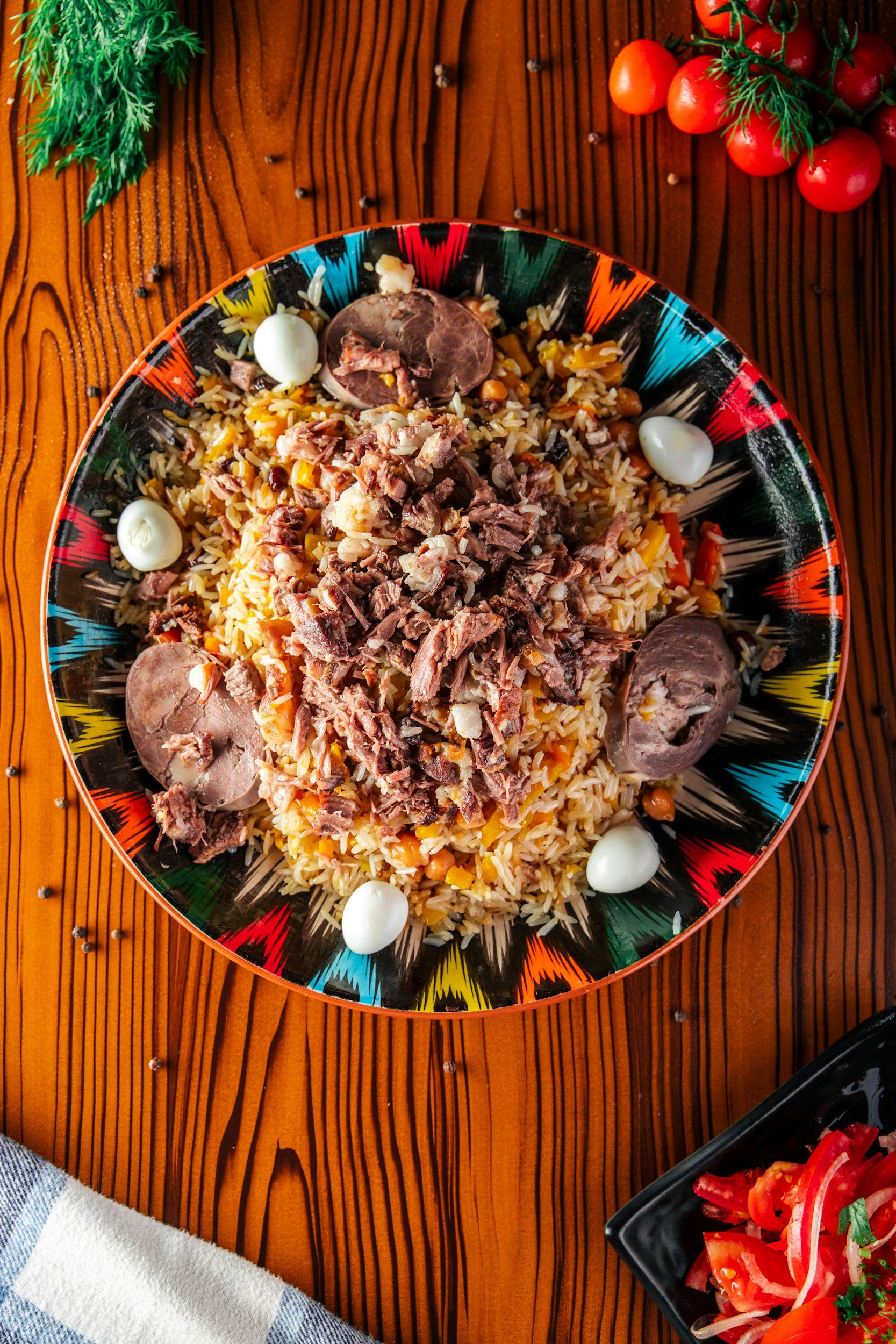
plov
Plov (Pilaf) — Uzbekistan’s National Dish
Fragrant rice slow-cooked with tender halal lamb, carrots, onions, and a blend of cumin and other spices. Every region — and every cook — has their own version, but the hallmark is rice that’s golden, aromatic, and never sticky. Plov is the centerpiece of celebrations and family gatherings across Central Asia.
Samsa — Hand-Rolled Pastry
Flaky, hand-rolled pastry stuffed with spiced halal lamb or beef and onions, baked until golden in a tandoor-style oven. Think of it as Central Asia’s answer to the empanada — crispy outside, juicy inside, and impossible to eat just one.
Manti — Steamed Dumplings
Large steamed dumplings filled with seasoned halal lamb, onions, and spices. Served with sour cream or a tangy tomato sauce, manti are hearty, satisfying, and a staple of Uzbek home cooking. Some variations use pumpkin for a sweeter, vegetarian option.
Lagman — Pulled Noodle Soup
Hand-pulled noodles in a savory broth with stir-fried vegetables and tender halal beef or lamb. Lagman shows the Chinese influence on Silk Road cuisine — it’s somewhere between a soup and a noodle stir-fry, and it’s the ultimate comfort food on a cool evening.
What Makes Uzbek Cooking Different?
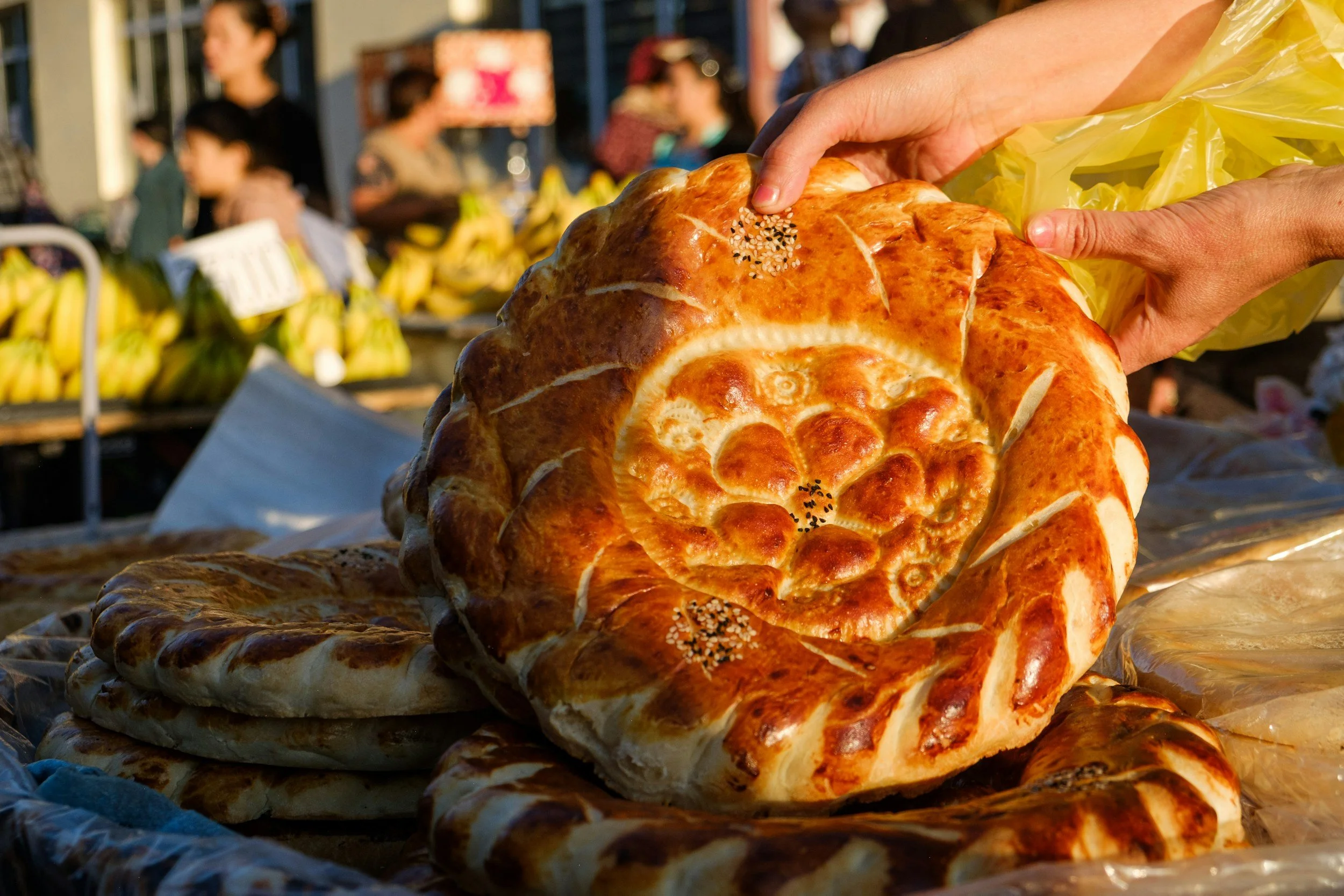
A few things set Uzbek cuisine apart from other traditions you might be familiar with. First, there’s the cooking method: many dishes are prepared in a kazan, a heavy cast-iron pot that distributes heat evenly and creates incredible depth of flavor. Bread is baked in a tandoor, giving it a slightly smoky, chewy character you won’t find in a conventional oven.
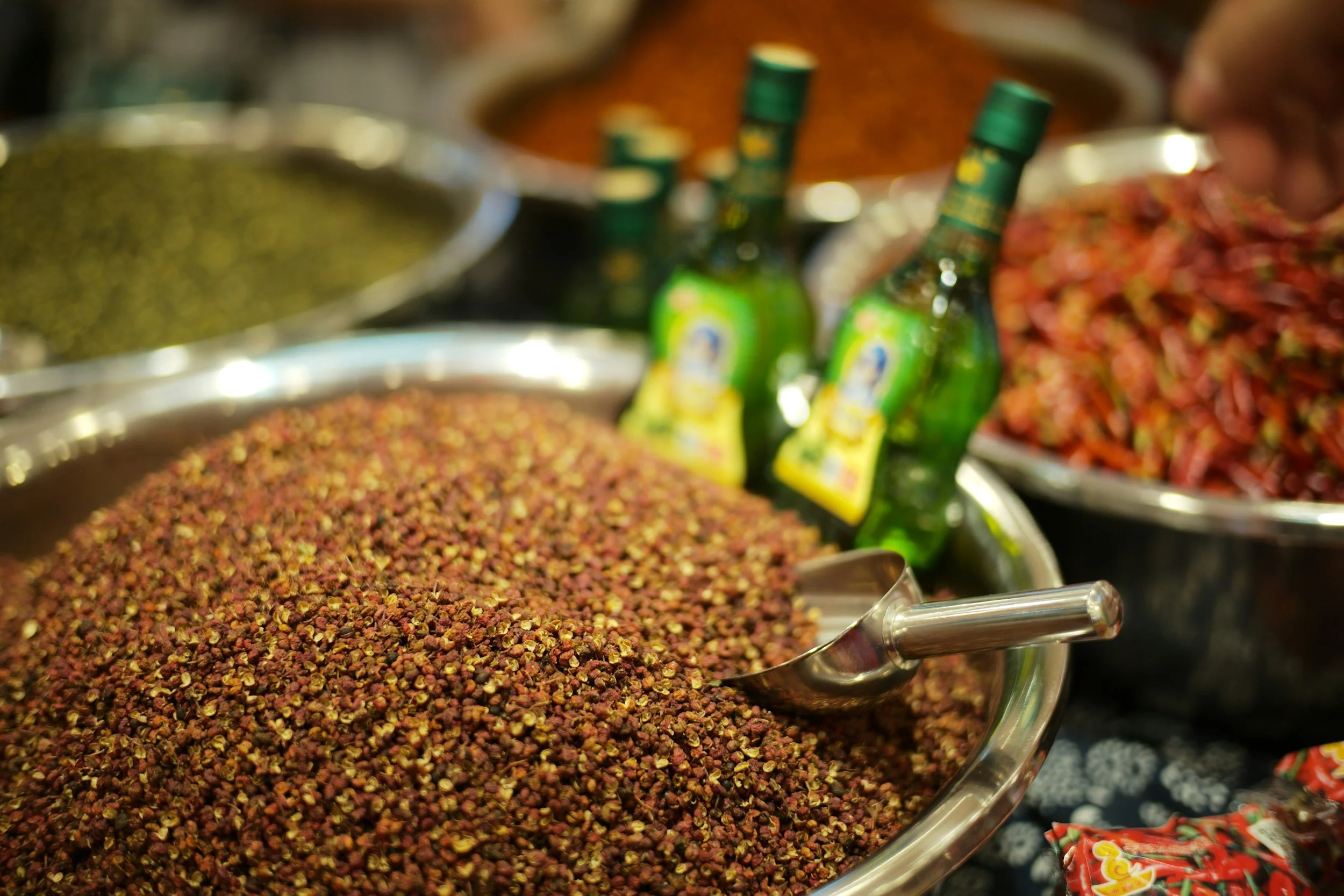
Then there’s the spice palette. Uzbek cooking relies on cumin, coriander, black pepper, and dill rather than the chili heat of South or Southeast Asian cuisines. The flavors are warm and earthy rather than fiery — approachable for any palate, but with layers of complexity that keep you coming back.
Finally, there’s the culture of hospitality. In Uzbekistan, feeding guests generously is a point of pride. Meals are communal, portions are abundant, and the table is always full. That spirit carries directly into the Uzbek restaurant experience.
Naturally Halal — A Cuisine Rooted in Islamic
One of the things that makes Uzbek food special for diverse communities is that it’s naturally halal. Uzbekistan’s Muslim heritage means the cuisine was built from the ground up around halal principles — lamb, beef, and chicken prepared according to Islamic dietary guidelines. There’s no pork, no alcohol-based sauces, and no shortcuts. For Muslim families looking for a restaurant where they can dine with confidence, Uzbek cuisine is a natural choice. And for non-Muslim diners, it’s simply great food made with care and quality ingredients.
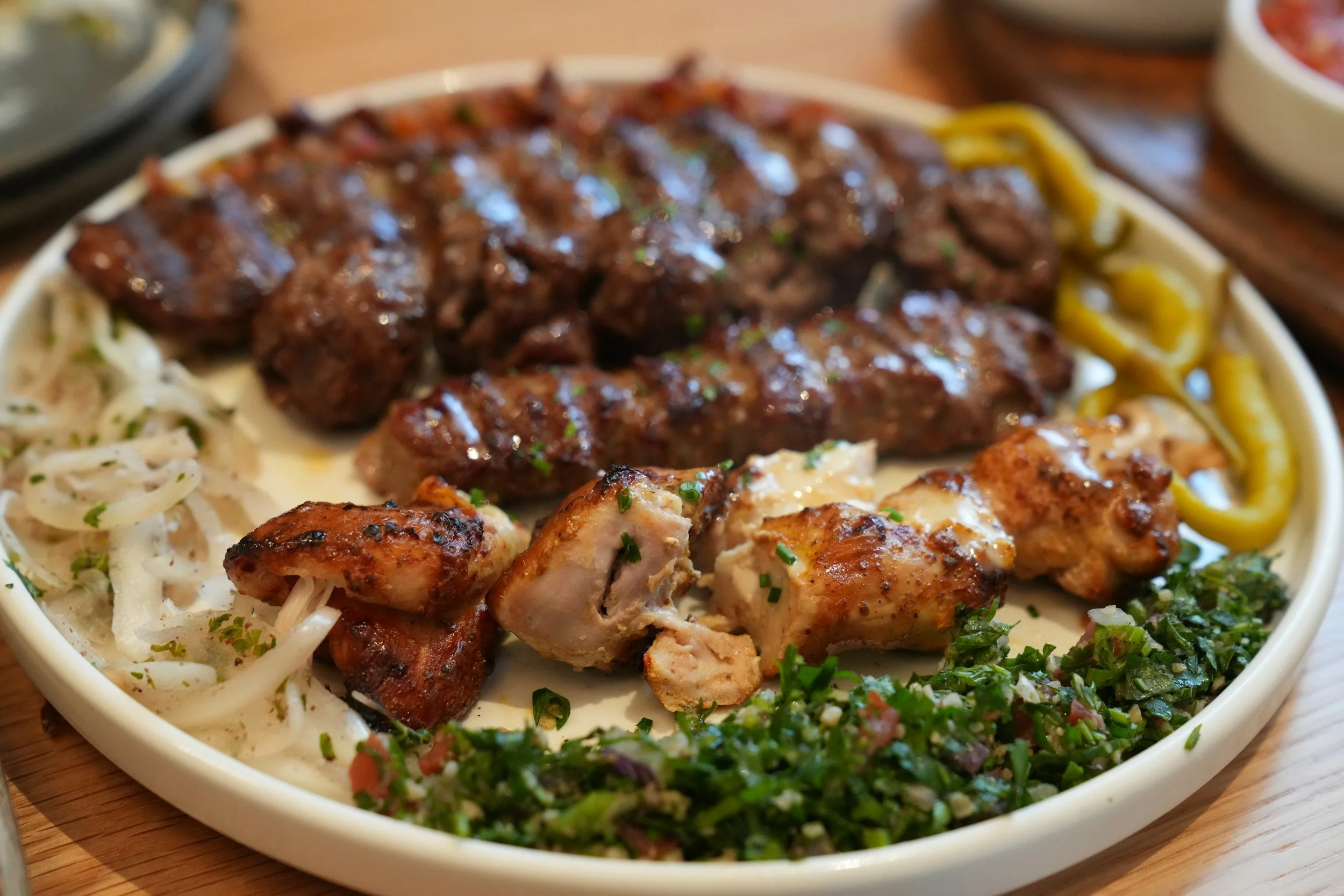
If you already love Mediterranean food — kebabs, hummus, dolma, fresh-baked flatbread — you’ll feel right at home with Uzbek cuisine. The Silk Road connected these culinary worlds for centuries, and you’ll find familiar flavors alongside dishes you’ve never encountered before. Grilled halal lamb kebabs share the menu with plov; dolma sits alongside manti. It’s a cuisine built on the best of both worlds.
Halal Uzbek cuisine is still a rare find in South Florida, which makes discovering it all the more special. At SimSim in North Miami Beach, the chef brings years of experience in authentic Uzbek and Turkish cooking to every dish. The entire menu is halal, blending Uzbek traditions with Mediterranean influences — hand-rolled samsa, slow-cooked plov, grilled kebabs, and fresh dolma made with locally sourced ingredients.
Whether you’re a long-time fan of Central Asian cuisine, looking for a trusted halal restaurant in Miami, or trying Uzbek food for the first time, SimSim offers a warm, family-friendly atmosphere and dishes made with the care and precision that Uzbek cooking demands. Everyone is welcome at our table.
SimSim is open Mon-Sun 11AM -11 PM. Visit us at 2995 NE 163rd St, North Miami Beach or call (786) 657-2184 to reserve your table.
